Academics

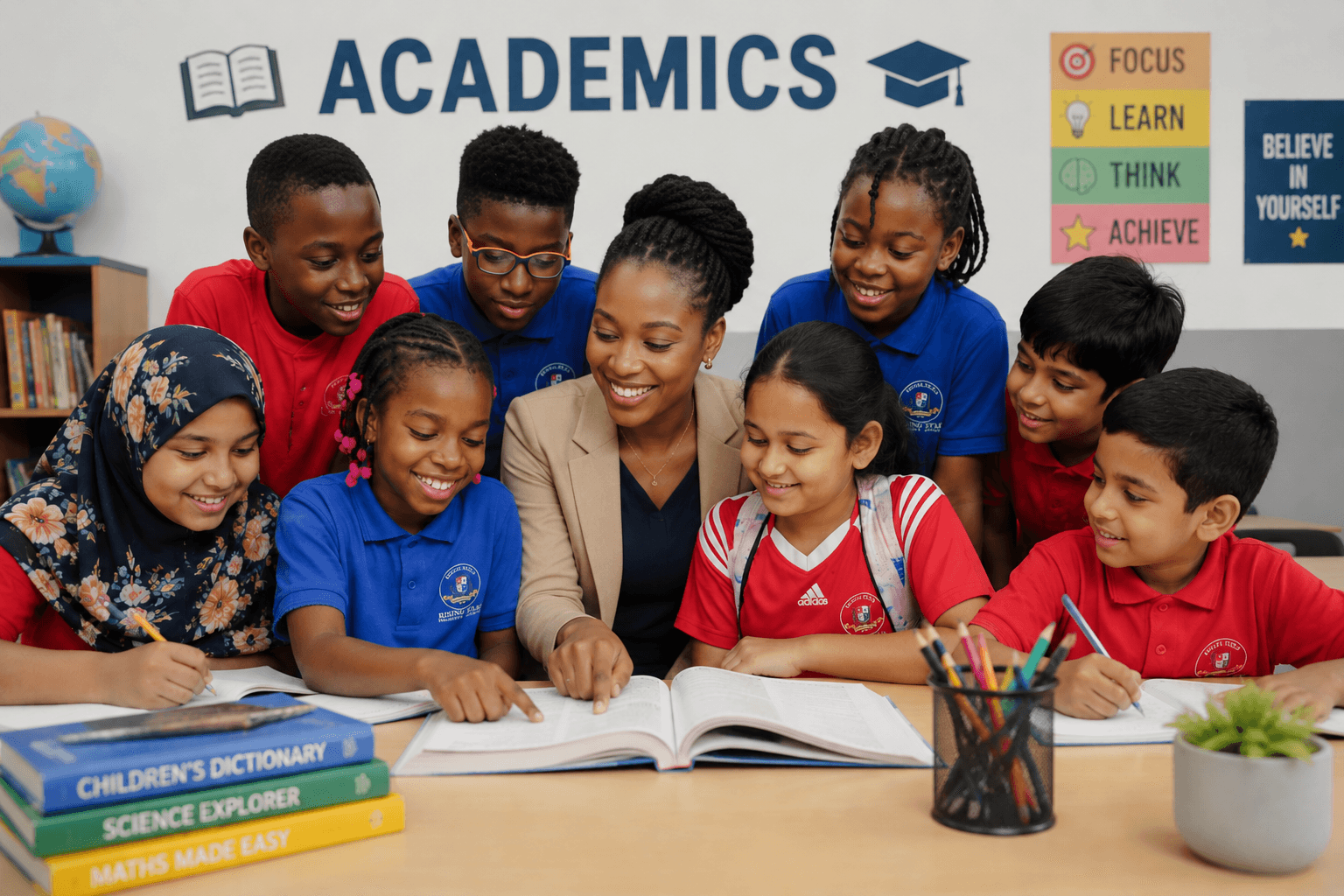
Academics

Cambridge & CBSE

The school offers a holistic learning ecosystem from Early Years to Grade 12 through the Cambridge and CBSE curricula.

Important Information
  • Students from Grade 3 onwards are required to bring their own devices to school for educational use. This enables integration of technology into lessons and develops responsibility and ownership within students.
  • Formative Assessment occurs once a month and Summative Assessment occurs once every term.
  • School gates close at 8:15 each morning.
Academic Year
Term 1Sep - Dec
Term 2Jan - Mar
Term 3Apr - Jun
Summer CampJul - Aug
School Hours (Mon - Fri)
Early Years & Pre-Primary8:30 – 13:30
Primary to Senior Secondary8:30 – 14:30
Summer Camp8:30 – 13:30

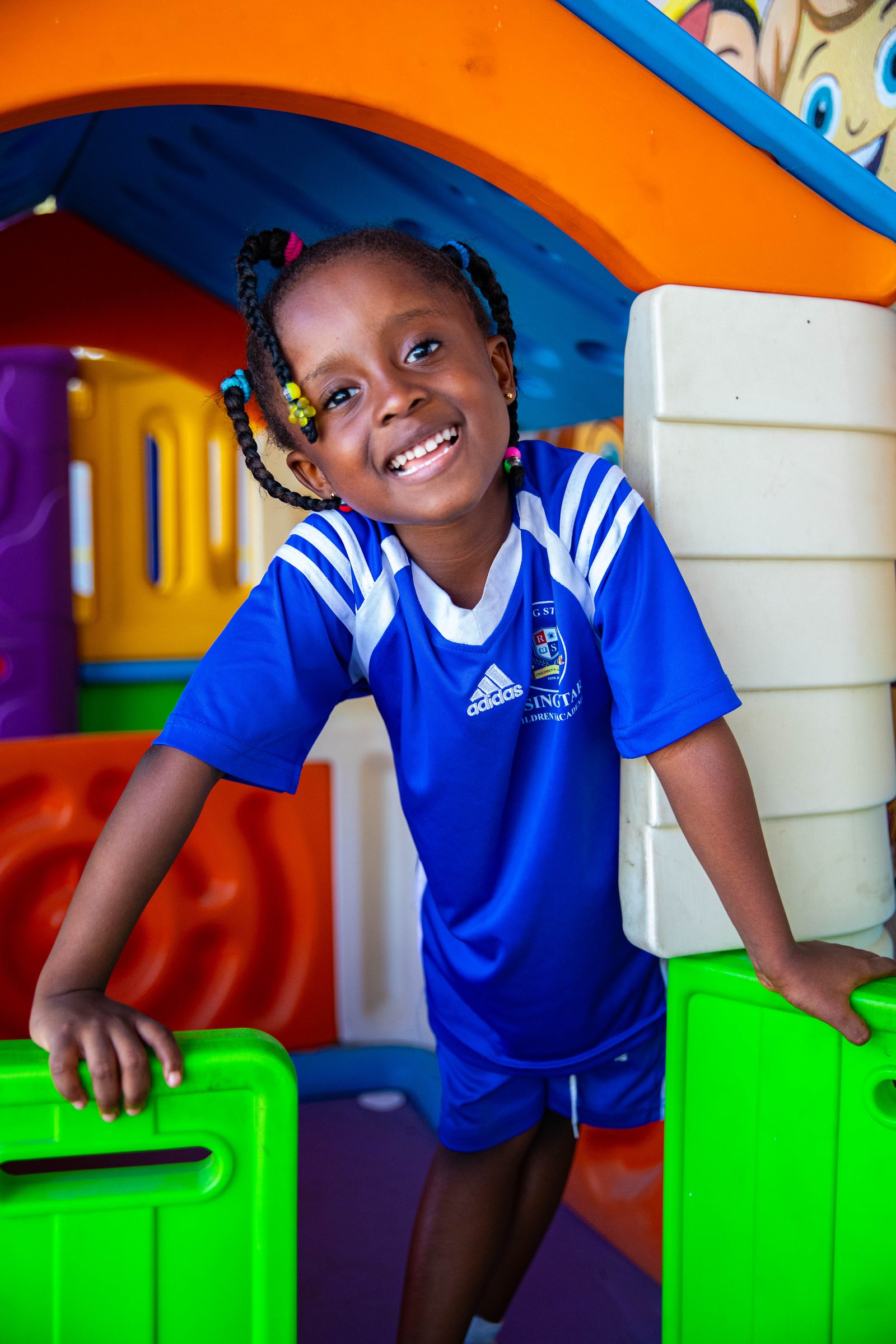
Where children take their first steps into learning

Early Years & Pre-Primary Programme

Daycare (1+)Playgroup (2+)Nursery (3+)Kindergarten 1 (4+)Kindergarten 2 (5+)*Age as of August
Early Years & Pre-Primary Programme
Holistic Development

1. Physical Development Gross and fine motor skills, balance and coordination, body awareness, and other developments through running, climbing, balancing, drawing, painting, crafts, building, hands-on exploration, and other stimulating activities. 2. Cognitive Development Curiosity, creativity, problem-solving skills, early numeracy and literacy abilities, and other proficiencies through exploration, discovery-based learning, classroom activities, and other engaging exercises. 3. Language & Communication Development Storytelling, songs, conversations, and other interactive activities to develop vocabulary, listening and speaking skills, expressive language, confidence in communication, and more talents. 4. Personal, Social, and Emotional Development Learning to build friendships, express emotions, develop empathy, gain independence, reflection, and other attributes while interacting with peers and teachers in a supportive environment. Understanding the importance and value of everything around us.

Educational Approach

1. Child-Centred Learning Our curriculum recognises that every child learns and develops at their own pace, thus, teaching methods are designed to support each child’s individual interests, strengths, and developmental needs. Core elements of our programme include: • Encouraging curiosity and exploration • Supporting independence, decision-making, and self-management (responsibility) • Building positive relationships with teachers and peers • Creating a safe, stimulating, inclusive, and nurturing environment • Promoting creativity, self-expression, and confidence • Instilling healthy lifestyle (nutrition, hygiene, emotions, and more) • Inspiring genuine love for lifelong learning 2. Learning Through Play Play is the foundation of early childhood education through which children develop diverse attributes in a vibrant environment. These support the development of essential foundational life skills. Children are encouraged to explore, wonder, challenge, and question their world. Core elements of our programme include: • Free Play (Child-Led Play): Children explore activities based on their interests, encouraging creativity, independence, and decision-making. • Structured Play (Teacher-Guided): Teachers design playful activities that support learning in areas such as counting, number, pattern, shape, and object recognition, action rhymes (phonics and pronunciation), storytelling, and problem-solving. • Sensory Play: Activities using materials such as sand, water, clay, and textured objects stimulate the senses and support cognitive and language development. • Role and Imaginative Play: Pretend play encourage creativity, empathy, communication, and understanding of real-life situations. • Outdoor and Physical Play: Activities such as running, climbing, balancing, swimming, and movement games strengthen coordination, physical health, and overall well-being. 3. Subject Areas of Learning The curriculum integrates age-appropriate experiences through thematic subject areas: • English • Portuguese • Mathematics • Environmental Studies/Understanding the World (Humanities & Sciences) • Visual Arts (Drawing, Painting, Craft, and more) • Performing Art (Music, Dance, Drama, and more) • Computer Awareness • Co-Curriculars

Where children grow academically, socially, emotionally, & physically

Primary Programme

Grade 1 (Age 6+)Grade 2 (Age 7+)Grade 3 (Age 8+)Grade 4 (Age 9+)Grade 5 (Age 10+)*Age as of August
Primary Programme
Holistic Development

1. Cognitive & Academic Development Critical reasoning, inquiry, analytical thinking, risk-taking, and problem-solving abilities through academic and co-curricular learning and exploration. 2. Language & Communication Development Reading, writing, listening, grammar, comprehension, phonics, and speaking skills in multiple languages to build confidence in communication and appreciation for languages and cultures. 3. Personal, Social, & Emotional Development Positive relationships, empathy development, resilience, and understanding responsibility within a community. 4. Creative & Innovative Development Expressing ideas, exploring imagination, taking risks, and developing innovative thinking through visual, performing, media, and creative arts. 5. Physical Development Co-curriculars to support health, discipline, coordination, teamwork, and overall wellbeing.

Educational Approach

1. Concept & Inquiry-Based Learning Students learn through exploration, questioning, investigation, and reflection. Teaching is designed to stimulate curiosity and encourage active participation in discovery and application of knowledge. Core elements of our programme include: • Critical thinking and problem-solving skills • Research and analytical abilities • Communication and collaboration skills • Confidence and independence in learning and accepting opportunities and challenges • Maintaining global awareness through engaging with real-world issues such as environment, culture, community, sustainability, and more. 2. Activity-Based and Experiential Learning This enables students to engage through projects, experiments, discussions, games, and real-life applications to understand concepts through hands-on experiences. Core elements of our programme include: • Innovation through doing and experimenting to solve problems • Participating in group activities and projects • Action-based learning through visual, performing, media, and creative arts. • Reflecting on experiences and applying the understanding towards improvement • Strengthening collaboration, principles, and responsibility during teamwork 3. Child-Centred Learning Teaching strategies are designed around the individual needs and abilities of each learner. Core elements of our programme include: • Engagement through personalised learning experiences • Encouraging independence and decision-making • Supporting different learning styles and abilities • Community life through building strong relationships with teachers and peers • Creating a safe, inclusive, and nurturing learning environment 4. Subject Areas of Learning The curriculum offers a diverse and balanced range of subjects designed to develop academic knowledge alongside creativity and practical skills through experiences and thematic subject areas: • English • Portuguese • Mathematics: Numeracy, logical reasoning, measurements, geometry, patterns, and data interpretation and more. • Environmental Studies • Sciences: Inquiry into the natural and physical world through observation, experimentation, scientific reasoning, and beyond. • Humanities • Global Perspectives • Computing/ICT: Digital literacy, responsible technology use, basic coding, creative use of technology, and other diverse skills. • Visual Arts (Drawing, Painting, Craft, and more) • Performing Arts (Music, Dance, Drama, and more) • Physical Education (PE) • Swimming • Library • Co-Curriculars

Where children deepen competencies & prepare for future academic pathways

Middle Programme

Grade 6 (Age 11+)Grade 7 (Age 12+)Grade 8 (Age 13+)*Age as of August
Middle Programme
Holistic Development

1. Cognitive & Academic Development Analytical thinking, reasoning, research skills, conceptual understanding across academic and co-curricular areas, and more while applying knowledge to real-world contexts. 2. Language & Communication Development Advanced reading, writing, discussion, presentation, and multitudes of other skills through multiple languages, enhancing clarity, confidence, and accuracy. 3. Personal, Social, & Emotional Development Self-awareness and regulation, resilience, empathy, responsible decision-making, and diverse attributes while building meaningful relationships and contributing positively to community. 4. Creative & Innovative Development Artistic expression through visual and performance-related skills, and more to encourage innovative thinking, adaptability, and problem-solving. 5. Physical Development Co-curriculars to support health, discipline, coordination, teamwork, and overall wellbeing.

Educational Approach

1. Concept & Inquiry-Based Learning Exploring concepts through investigation, questioning, research, and reflection to develop deeper understanding beyond memorisation. Core elements of our programme include: • Critical and creative thinking • Research and analytical skills • Communication and collaboration • Independent learning and self-management • Connecting learning to global and real-world issues 2. Activity-Based and Experiential Learning Active learning through experiments, projects, discussions, presentations, and other practical applications that bring learning to life. Core elements of our programme include: • Hands-on learning experiences • Collaborative projects and teamwork • Practical problem-solving activities • Action-based learning through visual, performing, media, and creative arts. • Reflection and continuous improvement 3. Child-Centred Learning Teaching approaches recognise that every learner develops differently, creating personalised learning experiences and allowing students to take increasing ownership of their learning. This develops leadership and responsibility while in a supportive and inclusive learning environment. 4. Skills for Future Academic Pathways The Middle Programme prepares students for the academic rigour of secondary education by developing: • Strong subject knowledge • Independent study habits • Research and project skills • Communication and presentation abilities • Critical thinking and problem-solving skills • Informed decision-making 5. Subject Areas of Learning The curriculum offers a balanced range of diverse and holistic subjects designed to strengthen subject knowledge while developing transferable skills. • English • Portuguese • Mathematics • Sciences • Humanities • Global Perspectives • Computing/ICT • Action-based learning through visual, performing, media, and creative arts. • Visual Arts (Drawing, Painting, Craft, and more) • Performing Arts (Music, Dance, Drama, and more) • Media & Creative Arts • Physical Education (PE) • Library and Research Skills • Co-Curricular Activities

Beyond the Classroom

Co-Curriculars

Outdoor & Adventure Sports

Football, Basketball, Volleyball, Tennis, Swimming, Skating, Hiking, and more

Athletics/Track & Field

Indoor Sports & Games

Table Tennis, Chess, Carrom, Foosball, Badminton, Billiards, and more

Mind & Body Activities

Yoga, Gymnastics, Martial Arts, and more

Visual Arts

Drawing, Painting, Craft, and more

Performing Arts

Music, Dance, Drama, and more

STEM & Technology Activities

Coding, Robotics, Innovation Projects, and more

Debate, Public Speaking, and Academic Clubs & Competitions

Leadership, Entrepreneurship & Student Council

Media & Creative Arts

Photography, School Publications, and more

Entrepreneurship & Innovation Activities

Student enterprises, business simulations, and more

Gardening & Environmental Activities

Community Service

Life Skills Activities

Cooking, Financial Literacy, and more

Experiential & Cultural Learning

Global Exchange Programmes, Visits, Cultural Festivals, Language Clubs, International Days, and more

Seminars & Guest Speaker Events

Additional Co-Curricular Activities

Before & after school support for students to become result & life-ready

Counselling & Support Services

Academic Support & Language Development

Mastering international curricula regardless of the starting point.

  • EAL: Students with limited English exposure can access the EAL programme.
  • Booster Classes: Following evaluation during the admissions process, the school suggests these classes to focus on core concept reinforcement.

Inclusive Education & Support

The school requires complete disclosure of any educational, medical, or behavioural needs of the student during the admissions process.

  • Collaborative & Personalized Learning: Identification of the correct specialists to collaborate with teachers and parents to design Individual Educational Plans (IEPs).
  • Comprehensive Counselling: This focuses on diverse areas including academic (higher education and more), career (global opportunities and more), and personal and social development (conflict resolution, emotional regulation, therapies, and more). These are kept highly confidential.